.webp) Access Control
Access Control  CCTV & IP Camera
  PA System
  PABX
PABX .webp) EAS Security
EAS Security  Alarm & Calling System
 .webp) Security
Security .webp) Networking
Networking .webp) Display and Signage
Display and Signage  Accessories
  Gadgets
 Which Attendance Software is Best in Bangladesh?
July 20, 2026
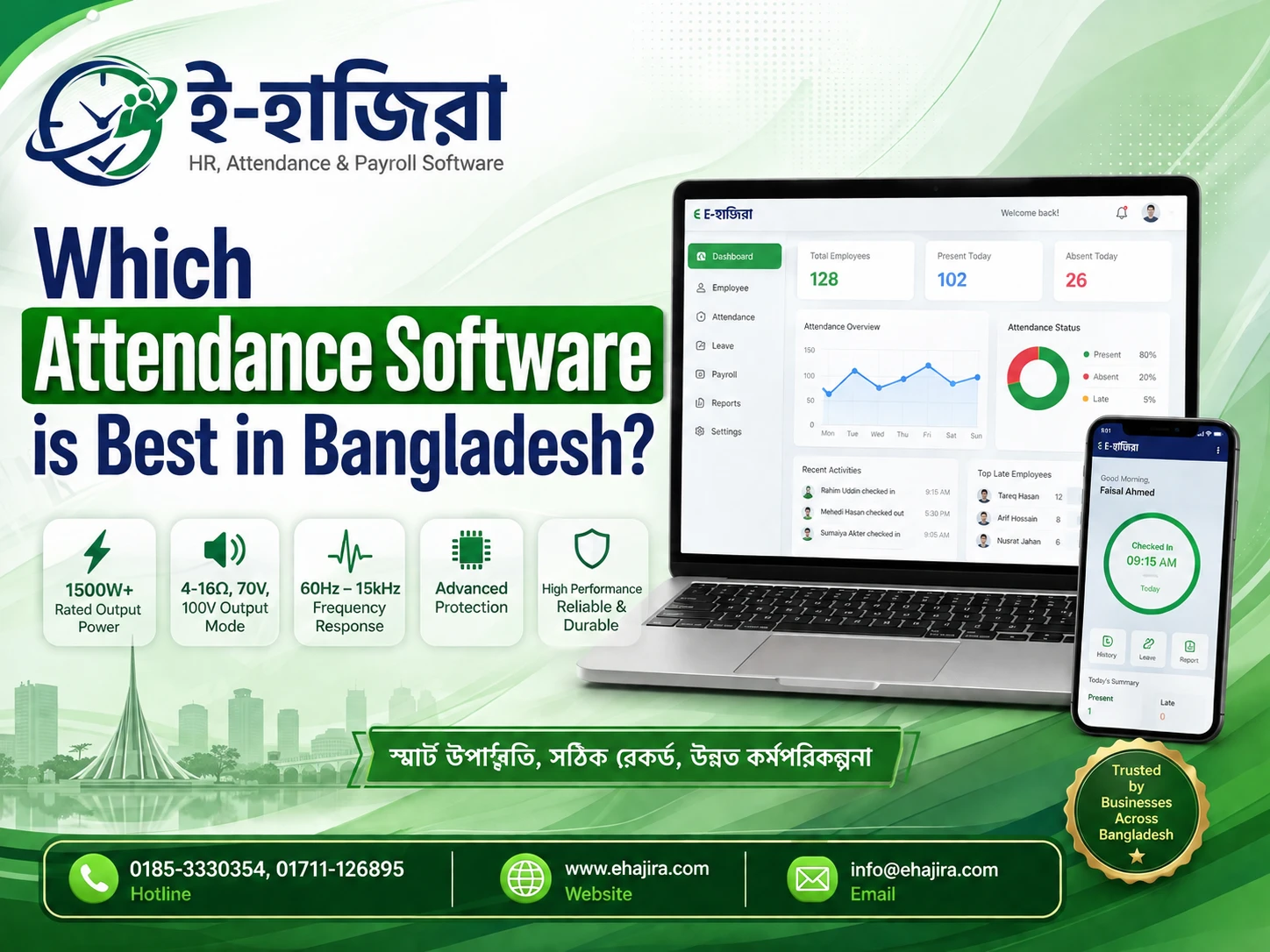
Which Attendance Software Is Best in Bangladesh? A Complete 2026 Guide
If you run a business in Bangladesh — whether it's a small office in Dhaka, a garment factory in Gazipur, or a multi-branch retail chain — you already know that keeping track of who showed up, who left early, and who's on leave can quietly eat up hours every week. Paper registers get lost. Excel sheets get manipulated. And "buddy punching," where one employee clocks in for another, is still a common headache in many Bangladeshi workplaces.
That's why more companies are switching to dedicated attendance software. But with dozens of options on the market — some homegrown, some international — the real question isn't just "what's the best attendance software?" It's "what's the best attendance software for my kind of business?" This guide walks through what to look for, the major categories of solutions available in Bangladesh, and how to actually make the decision.
Why Attendance Software Matters More Than Ever
Attendance tracking used to be treated as a minor administrative task. Today, it sits at the center of payroll accuracy, labor law compliance, and workforce planning. A few reasons Bangladeshi businesses are prioritizing this now:
- Payroll accuracy: When attendance data flows automatically into payroll, salary calculations, late deductions, and overtime pay become far more accurate, cutting down the manual reconciliation HR teams used to do every month.
- Compliance with the Bangladesh Labour Act: Proper attendance and leave records help businesses stay compliant with local labor regulations and respond quickly if disputes arise.
- Reduced fraud: Biometric and geo-fenced systems make it nearly impossible for one employee to clock in on behalf of another.
- Remote and field staff management: With more companies employing field sales teams, delivery riders, or remote workers, mobile and GPS-based attendance apps have become essential rather than optional.
- Data for decision-making: Attendance trends — chronic lateness, absenteeism spikes, overtime patterns — give HR and management real insight into workforce health.
The Two Broad Categories of Attendance Solutions in Bangladesh
Before comparing specific products, it helps to understand that "attendance software" in the Bangladeshi market generally falls into two categories, and many businesses end up needing a mix of both.
1. Hardware-Based Biometric Systems
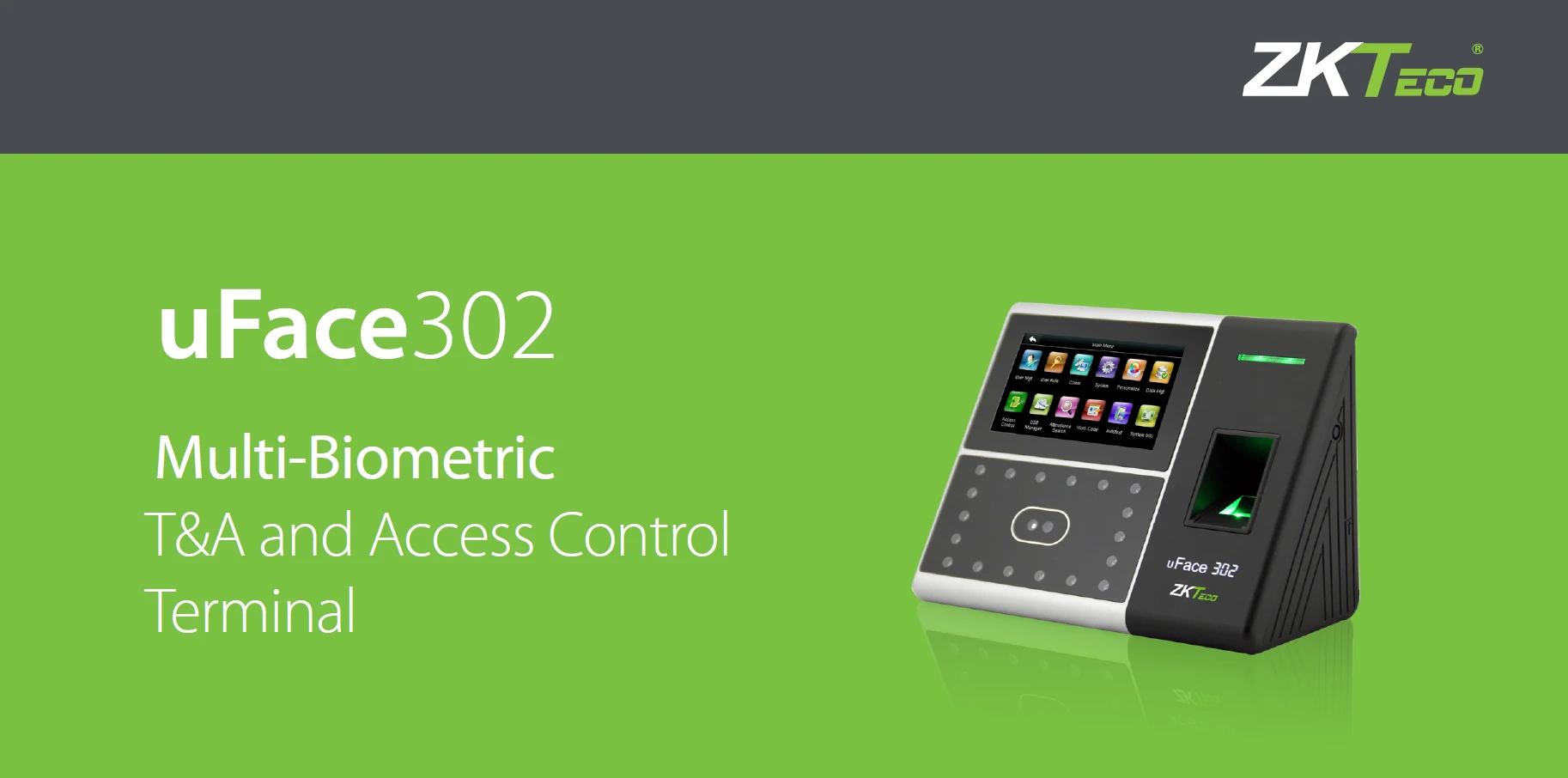
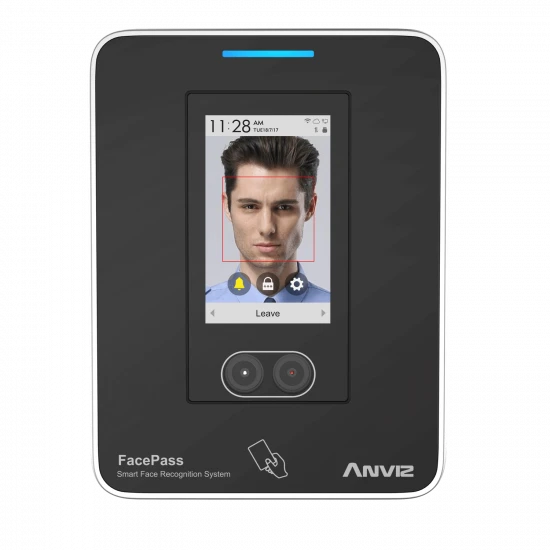
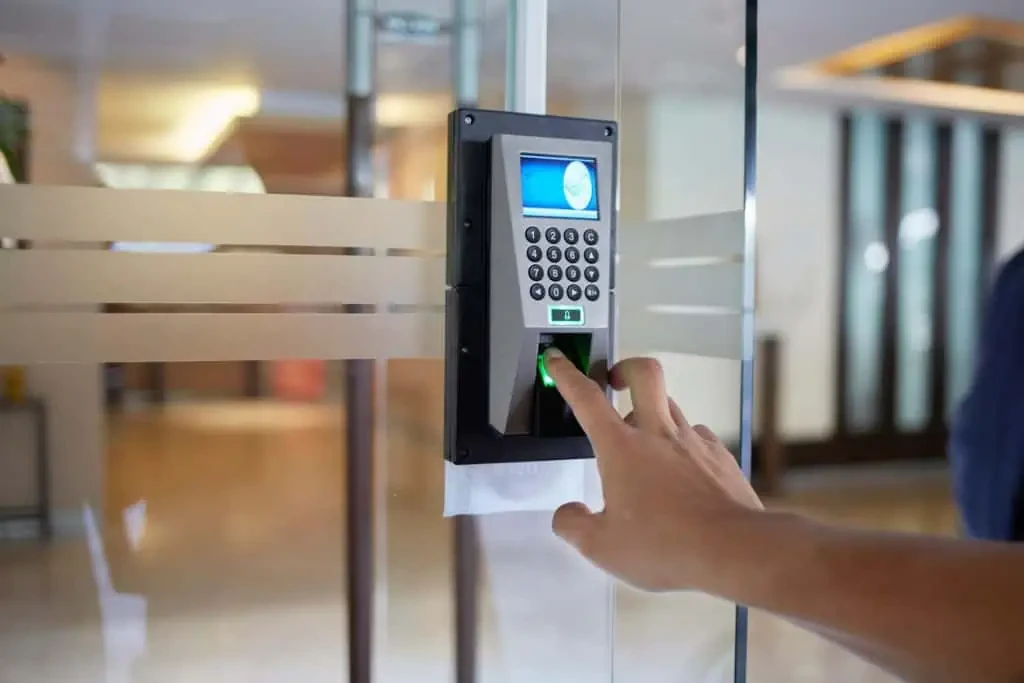
These are physical devices — fingerprint scanners, facial recognition terminals, or RFID card readers — paired with bundled software. Popular brands sold widely across Bangladesh include ZKTeco, Hikvision, Deli, eSSL, Suprema, and locally packaged solutions from vendors like Tipsoi. Prices for basic fingerprint devices typically start around BDT 4,000–8,500, while advanced facial-recognition units with Wi-Fi and software integration can run up to BDT 18,000–25,000 or more.
Biometric hardware is a strong fit for:
- Factories and garment units with large on-site workforces
- Offices that need a physical checkpoint at the entrance
- Businesses prioritizing fraud prevention over remote flexibility
The tradeoff is that hardware systems are location-bound. If your team works across multiple sites or remotely, a device at one office door won't capture attendance happening elsewhere.
2. Cloud-Based Attendance & HR Software
This is where most of the growth is happening. Cloud-based platforms let employees check in via a mobile app, web browser, or QR code — often with GPS or geo-fencing to confirm they're actually at the right location. These systems typically bundle attendance with broader HR functions: leave management, shift scheduling, payroll, and sometimes performance tracking.
Well-known names in this space serving the Bangladeshi market include e-Hajira, and PiHR, among others. Monthly subscription costs for cloud-based attendance software in Bangladesh generally range from around BDT 500 to BDT 3,000 per month depending on employee count and feature set — a much lower upfront cost than hardware-heavy setups, though it depends on ongoing subscription fees rather than a one-time purchase.
Cloud-based software is the better fit for:
- Businesses with remote, hybrid, or field-based employees
- Companies that want attendance, leave, and payroll in one connected system
- Organizations with multiple branches that need centralized reporting
- Growing SMEs that want to scale without buying new hardware for every location
What to Actually Look for When Choosing
Rather than chasing a single "best" brand, evaluate any attendance software against these criteria:
1. Local compliance and language support Software built with Bangladesh in mind should account for NBR tax rules, the Bangladesh Labour Act's leave and overtime provisions, and ideally offer a Bangla-language interface for staff who aren't comfortable with English-only systems.
2. Integration with payroll and HR Standalone attendance tracking is only half the job. The real time savings come when attendance data automatically feeds into payroll, so late arrivals, absences, and overtime are reflected in salary calculations without manual entry.
3. Biometric and mobile flexibility Look for a system that can combine a physical checkpoint (fingerprint or face recognition) with mobile/GPS check-in for field staff. Many Bangladeshi businesses have a mixed workforce — some fixed to an office, some constantly moving — and need both.
4. Real-time reporting Management should be able to see attendance, lateness, and absenteeism trends in real time, not wait for a monthly export. Good dashboards make it far easier to spot patterns before they become payroll disputes.
5. Scalability Check how many employees the system is actually built to support. A tool that works well for a 30-person office may struggle — or become disproportionately expensive — once you cross a few hundred employees or add new branches.
6. Local customer support This one is easy to overlook but matters enormously in practice. International software without a local support team can leave you stuck when a device malfunctions or a payroll cycle is delayed. Vendors with a physical presence and support line in Bangladesh tend to resolve issues faster.
7. Data security and backup Attendance and payroll data is sensitive. Confirm the vendor offers reliable data backup, encryption, and clear policies on who can access employee records.
Which One Is “Best”?
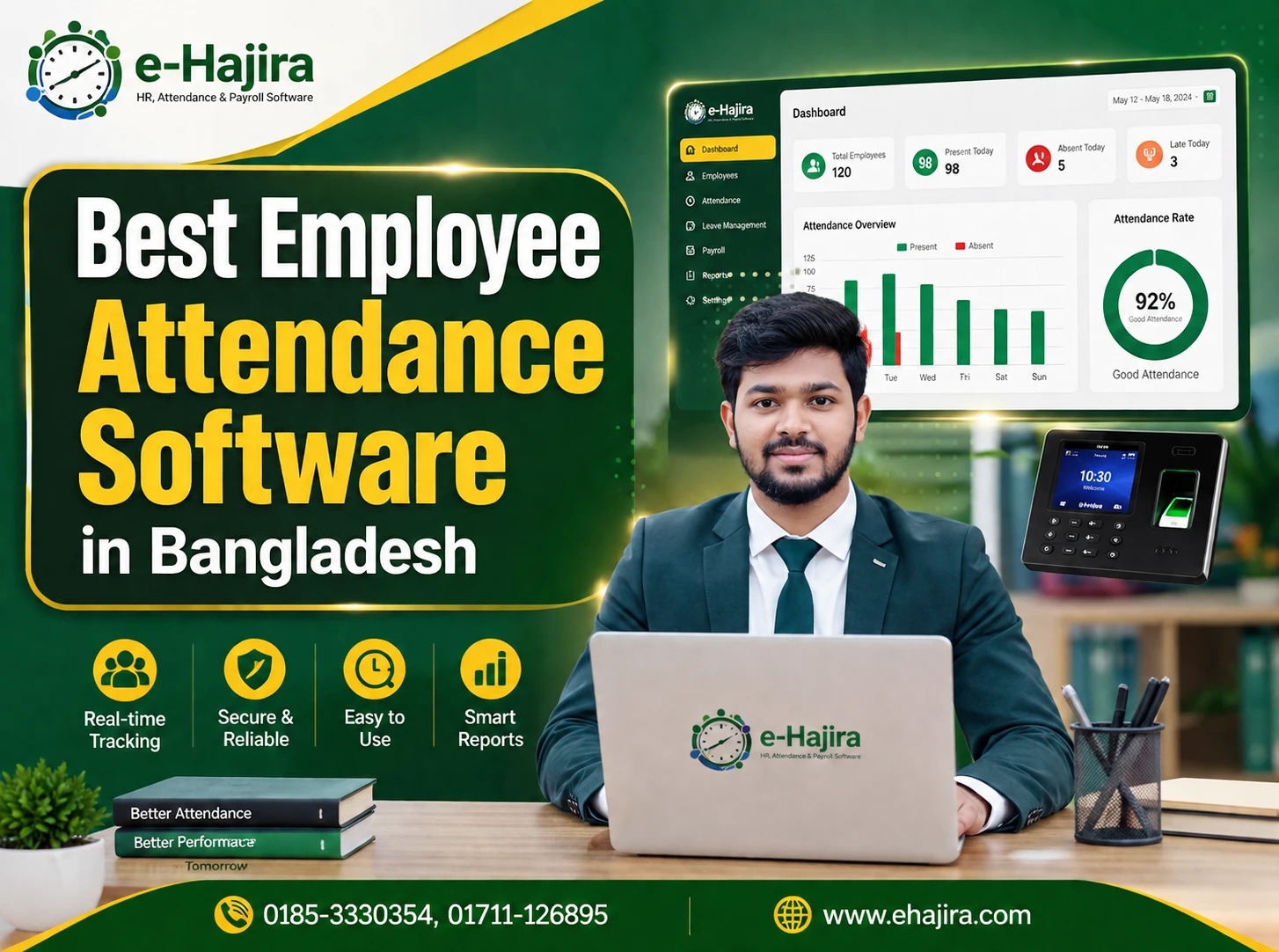
If you are looking for a clear, practical answer instead of comparing dozens of features, then the best attendance software in Bangladesh is e-Hajira for most businesses.
The reason is simple. In the Bangladeshi market, businesses usually need a solution that is easy to use, affordable, locally supported, and flexible enough to work in different environments—office, factory, retail, or field operations. e-Hajira manages to bring all of these together in one system without making things complicated.
What really makes e-Hajira stand out is how naturally it fits into real business operations. A company does not need to change its workflow to use the software—the software adapts to the company. For example, if your business uses biometric devices like fingerprint or face recognition machines, e-Hajira can integrate with them بسهولة. At the same time, if you have remote employees or a sales team working outside, they can use the mobile app with GPS-based attendance. Everything stays connected in one centralized dashboard.
Another major advantage is its cloud-based nature. Business owners and HR managers can monitor attendance from anywhere, whether they are in the office or outside. This level of control is especially important in Bangladesh, where many businesses operate across multiple locations.
From an HR perspective, e-Hajira reduces workload significantly. Instead of manually calculating attendance, overtime, and leave, the system automatically generates reports and integrates with payroll. This not only saves time but also reduces errors, which are very common in manual systems.
Local support is also a key factor. Since e-Hajira is designed for the Bangladeshi market, users can get quick assistance when needed. This is something many international software solutions fail to provide effectively.
Of course, other software options like biometric-based systems or full HR platforms have their own strengths. But when you consider the overall balance—features, usability, cost, and support—e-Hajira delivers the most value for the majority of businesses.
A practical approach many businesses take is to start with a free trial or demo (most cloud-based vendors in Bangladesh offer one), test it with a small team for a few weeks, and evaluate based on ease of use, support responsiveness, and how well it integrates with your existing payroll process — before rolling it out company-wide.
Final Thoughts
Attendance software has moved well beyond simply "recording who came to work." In 2026, it's a core piece of HR infrastructure that touches payroll accuracy, compliance, and workforce planning. Bangladesh's market now offers solid options across both biometric hardware and cloud-based HR platforms, so the smartest move isn't picking whatever brand ranks first in a Google search — it's matching the software's strengths to your actual workforce: fixed vs. remote, single-site vs. multi-branch, and small team vs. large-scale operation.
Request a free demo, contact the number bellow, or book an online presentation to see how eHajira can replace your manual attendance process with a complete cloud-based HR and attendance solution.
Take the time to run a short trial, involve your HR team in testing, and confirm local support is solid before committing. Get that match right, and attendance software stops being an administrative chore and starts becoming a genuine efficiency tool for your business.
Software's Contact:
📞 0185-3330354, 01711-126895
🌐 www.ehajira.com






.webp)